

Weekly Crier
  • Home
  • News
  • Blogs
  • Store
  • Contact
  • 🔎
  • Home
  • News
  • Blogs
  • Store
  • Contact
  • 🔎
Picture
BACK TO CATALOG

Topics

All
Trump Vs Biden

This section will not be visible in live published website. Below are your current settings (click inside this section to edit the settings):


Current Number Of Columns are = 3

Expand Posts Area = 1

Gap/Space Between Posts = 10px

Blog Post Style = card

Use of custom card colors instead of default colors =

Blog Post Card Background Color = current color

Blog Post Card Shadow Color = current color

Blog Post Card Border Color = current color

Publish the website and visit your blog page to see the results
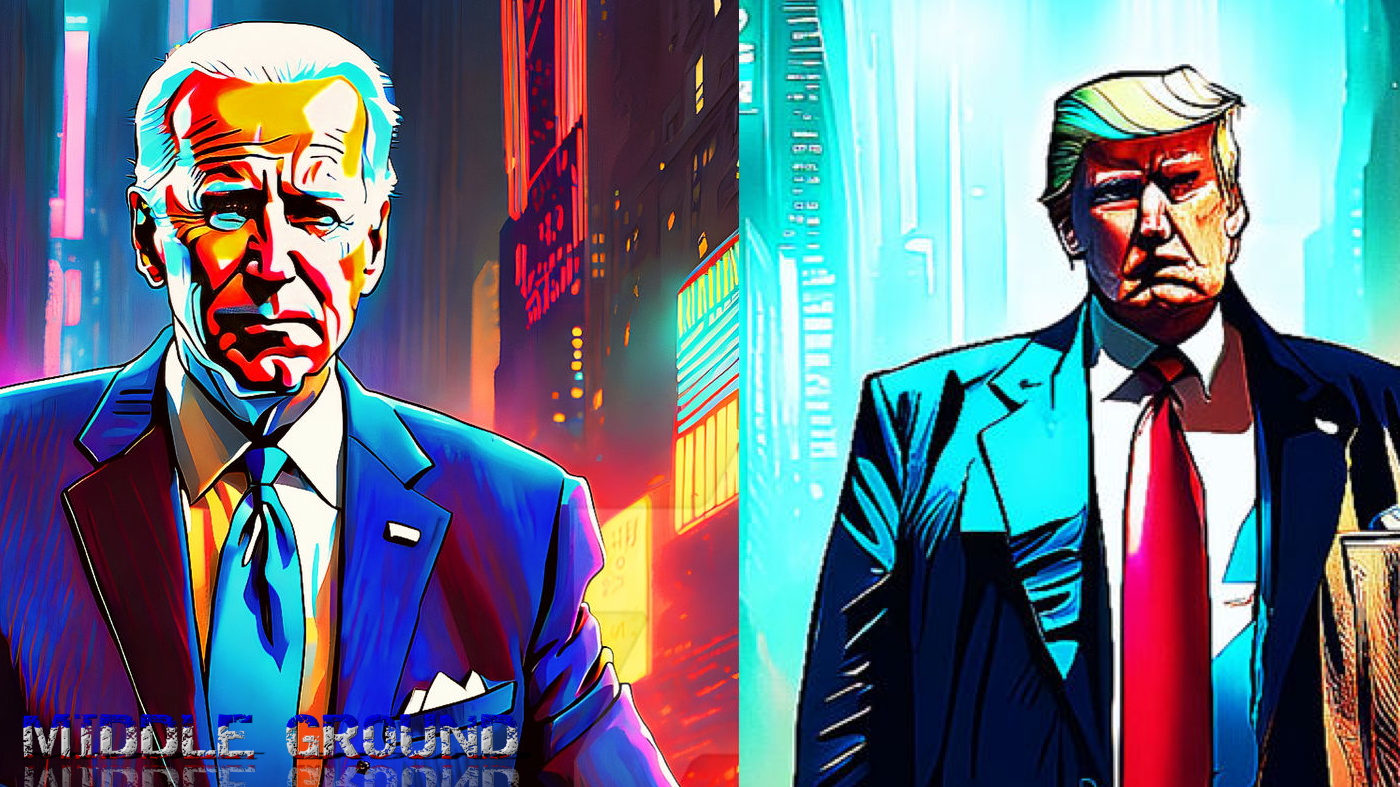
A Comprehensive Comparison of Trump and Biden's Economic Policies

3/30/2024

1 Comment

 
Picture
​The economic policies of Donald Trump and Joe Biden have been a topic of much debate and discussion. Both presidents have implemented different strategies to address the challenges faced by the United States, and it is important to understand the key differences between their policies. In this blog post, we will compare Trump and Biden's economic policies, focusing on their approaches to taxation, trade, and job creation.

Trade policies play a crucial role in shaping the economic landscape of a country. In this article, we will delve into the trade policies of former President Donald Trump and current President Joe Biden, focusing on their approaches to international trade, tariffs, and trade agreements. By comparing and contrasting their strategies, we can gain a better understanding of the impact of these policies on the United States and its trading partners.
  1. Trade Policies: Trump vs. Bide
During Trump's presidency, he took a more protectionist approach to trade policy. He believed that the United States had been taken advantage of by its trading partners, and he sought to level the playing field through the imposition of tariffs and renegotiating trade agreements.

One of Trump's most significant actions was the implementation of tariffs on imported steel and aluminum, citing national security concerns. These tariffs were imposed on both allies and adversaries, leading to retaliatory measures from countries such as China, Canada, and the European Union.

Another notable aspect of Trump's trade policy was his focus on renegotiating existing trade agreements. He withdrew the United States from the Trans-Pacific Partnership (TPP) and renegotiated the North American Free Trade Agreement (NAFTA), resulting in the United States-Mexico-Canada Agreement (USMCA).

In contrast to Trump's more aggressive approach, Joe Biden has taken a more multilateral and diplomatic stance on trade policy. He has expressed a desire to repair relationships with allies and work with them to address trade issues, particularly with regard to China.

Biden has also emphasized the importance of domestic investments in infrastructure, clean energy, and education to strengthen the United States' position in the global economy. He believes that these investments will create jobs and promote long-term economic growth.

One of the key differences between Trump and Biden's trade policies lies in their approach to international relations. Trump's "America First" policy often led to strained relationships with allies, while Biden has sought to rebuild these relationships and work collaboratively on trade issues though proved his ability to address trade imbalances, protect American industries, and promote long-term economic growth not to be as effective in this process.

Another difference is their stance on tariffs. Trump was more willing to use tariffs as a tool to protect American industries and address trade imbalances, while Biden has been more cautious about imposing tariffs and has focused on addressing trade issues through negotiations and diplomacy.

However, both presidents have recognized the need to address China's trade practices and have taken steps to do so. Trump initiated a trade war with China, imposing tariffs on Chinese goods and engaging in negotiations to address issues such as intellectual property theft and forced technology transfer. Biden has continued to take a tough stance on China, but has indicated that he would prefer to work with allies to address these issues.

The trade policies of Donald Trump and Joe Biden have been characterized by different approaches to international trade, tariffs, and trade agreements. Trump's protectionist stance led to increased tensions with trading partners, while Biden has sought to repair relationships and work collaboratively on trade issues while not focusing so much domestically.
Picture

​Taxation policies play a crucial role in shaping the economic landscape of a country. In this article, we will delve into the taxation policies of former President Donald Trump and current President Joe Biden, focusing on their approaches to taxation, tax cuts, and their impact on the economy. By comparing and contrasting their strategies, we can gain a better understanding of the effectiveness of their policies and how they have affected American taxpayers.

Donald Trump's administration implemented significant tax cuts through the Tax Cuts and Jobs Act (TCJA) in 2017. This legislation reduced the corporate tax rate from 35% to 21%, lowered individual income tax rates, and increased the standard deduction. The TCJA also introduced a new 20% deduction for pass-through businesses, which are businesses that pay taxes through the individual income tax system.

During his presidency, Trump's tax cuts were aimed at stimulating economic growth and job creation. The TCJA was successful in reducing the tax burden on many Americans and led to a period of economic growth however, it also contributed to an increase in the federal deficit.

Joe Biden's administration has proposed several changes to the tax code, with a focus on addressing income inequality and raising revenue to fund social programs. Biden's proposed tax plan in 2020 called for the highest tax brackets rate to be restored to 39.6%, where it stood before the 2017 bill. He also proposed raising the corporate income tax rate to 28%, still lower than the pre-2017 rate of 35%.

Biden's plan also included a minimum 15% tax for corporations and the removal of the step-up in basis for inherited assets. Additionally, he proposed capping the benefit of an itemized deduction to 28% of the value, which would limit the ability of wealthy people and families to cut their tax liability through things like charitable contributions.

Both Trump and Biden's tax policies aimed to stimulate the economy and promote growth, but their approaches differed in terms of who they sought to benefit and how they planned to fund their initiatives. Trump's tax cuts primarily benefited corporations and high-income earners but showed evidence of trickledown economics based with a thriving middle class during this time, while Biden's proposals focused on raising taxes for wealthy individuals and corporations to fund social programs and address income inequality which ultimately hurt the middle class and his approval rating.

Biden's tax policies have faced criticism for potentially hindering economic growth and job creation. Some argue that raising corporate taxes could lead to reduced investment and slower growth. Additionally, the proposed changes to the taxation of capital gains could discourage investment and entrepreneurship.

The taxation policies of Donald Trump and Joe Biden have been characterized by different approaches to taxation, tax cuts, and the use of tax revenue. Trump's policies were aimed at stimulating economic growth through tax cuts for corporations and high-income earners, while Biden's proposals focus on addressing income inequality and funding social programs through increased taxes on the wealthy and corporations. The effectiveness of these policies will depend on their ability to stimulate economic growth, address income inequality, and promote long-term fiscal sustainability.
The job creation and economic growth during the presidencies of Donald Trump and Joe Biden have been a topic of much debate. While Biden's administration has seen significant job growth and economic recovery, it is essential to examine the role of the COVID-19 pandemic in these numbers. This article will compare the job creation and economic growth between Trump and Biden, focusing on how the COVID-19 recovery has influenced the data.

​During Trump's presidency, the economy experienced steady job growth, with an average of 191,000 jobs added per month. However, the COVID-19 pandemic led to a sharp decline in employment, with millions of jobs lost in April 2020 alone.

Biden's administration has overseen a significant increase in job creation, averaging 573,000 jobs per month since he took office. This can be attributed to the rollout of vaccines, the reopening of businesses, and a return to semi-normal after the pandemic. However, the numbers are swayed by the COVID-19 recovery, as the economy was in a much worse position when Biden took office.

Under Trump, the U.S. economy grew at an average rate of 2.5% per year, with a peak of 3.2% in 2018. However, the pandemic led to a sharp contraction in economic growth, with the GDP falling by 3.4% in 2020.

Biden's administration has seen a strong economic recovery, with GDP growth of 5.7% in 2021. The American Rescue Plan, a massive stimulus plan signed by Biden in March 2021, provided checks to all Americans, extended unemployment benefits, and expanded child tax credits, which helped to boost the economy. However, the growth is also swayed by the COVID-19 recovery, as the economy was in a much worse position when Biden took office but naturally went back to Trump numbers due to American's getting back to work.

Both Trump and Biden have overseen periods of job creation and economic growth. However, the COVID-19 pandemic has significantly impacted the numbers, with Biden's administration benefiting from the recovery. While Biden's policies, such as the American Rescue Plan, have played a role in the economic recovery, the overall numbers are swayed by the unique circumstances of the pandemic.
1 Comment
RichardTLenke
4/1/2024 12:58:50 pm

This article gives Biden a bit too much credit. You stated the purposes of the polcies but didn’t point out the corruption behind the forgein policy.

Reply


Leave a Reply.

    Author

    LTUE

    Archives

    March 2024

    Categories

    All
    Trump Vs Biden

    RSS Feed

Quick Links

Latest News
Store
2024 Election Map
Crypto Heat Map
​S&P500 Heat Map
Ven.AI

About

About Us
​Cookie Policy
Privacy Policy
Terms of Use

Blogs

Autoscape
Get Pucked
​Historic Horology
Lets Talk Tokens
Marksman Gaming Blog
Middle Ground
​Paranormal Chronicles

Teal Takeaways
​
Timber Man Tank Blog

Partners

JP Hockey Training
​Ventus Racing

Contact

Contact Us
​
Direct Message
Picture


​Follow Us

Terms of Use | Privacy Policy | Cookie Policy
Weekly Crier © 2024